TheEnoughPoint.com

Latest Articles — Page 3

Does Progressive Payment Really Cost Less? We Added Up Every Month.

Does Progressive Payment Really Cost Less? We Added Up Every Month.

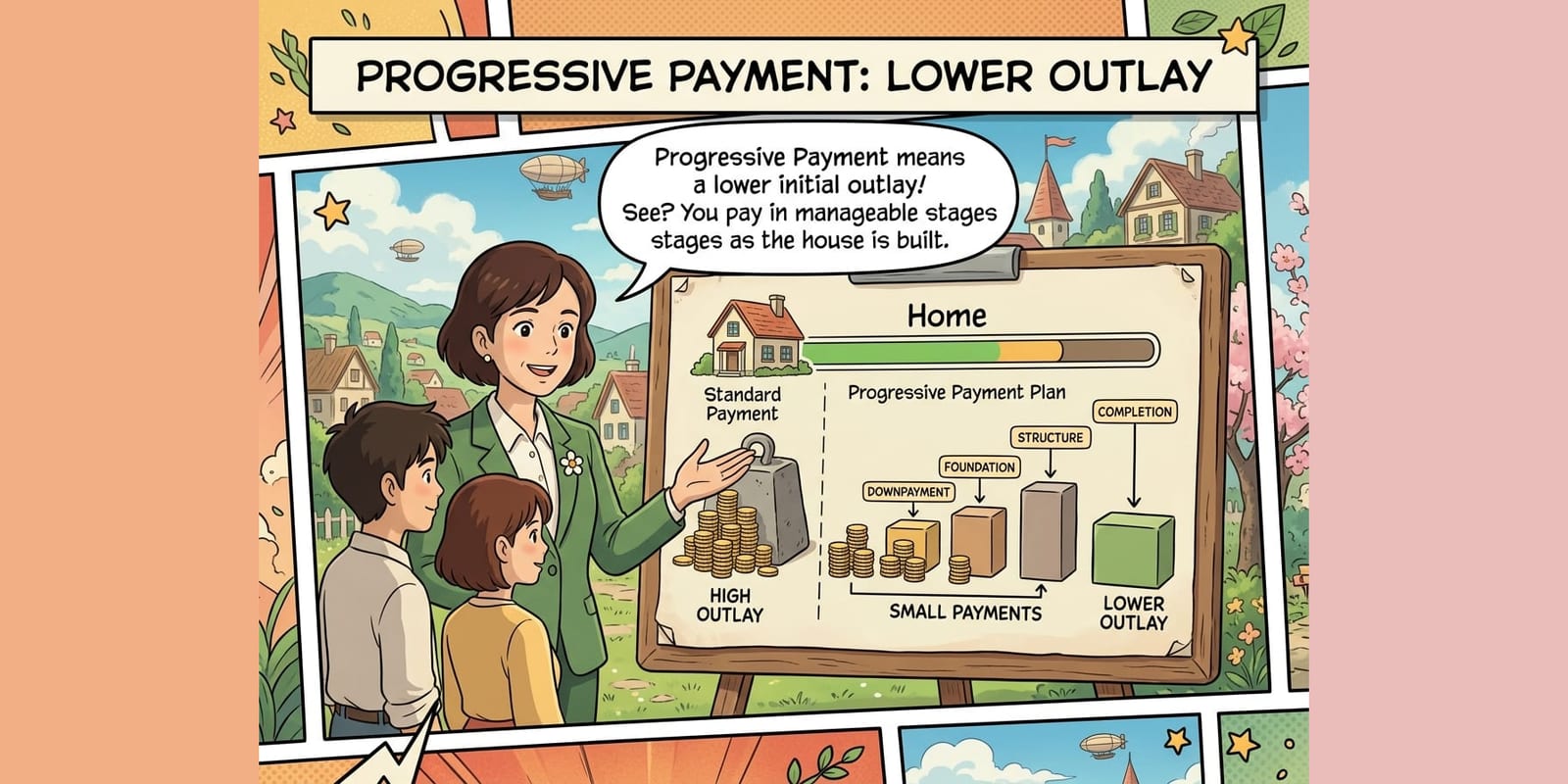
“You only pay as it is built, so it is much easier on your cash flow.” It is the most repeated line in the new-launch pitch, and it is half true. Staging the payments does save real money — about S$44,000 of interest on a S$1.5 million home. It also puts you in a rented home for three and a half years, which costs about four times that. We ran both purchases month by month for seven years. Here is where the belief holds, where it breaks, and the one situation where it is simply correct.

You Want Gold. Which Gold?

You Want Gold. Which Gold?

Gold is now the biggest ETF on the Singapore exchange, and the case for owning some — debt, debasement, negative real rates — is everywhere. This piece does not argue that case or its opposite. It answers the question that comes after: which of the five ways to own gold fits the job you are hiring it for, and what does each one actually cost?

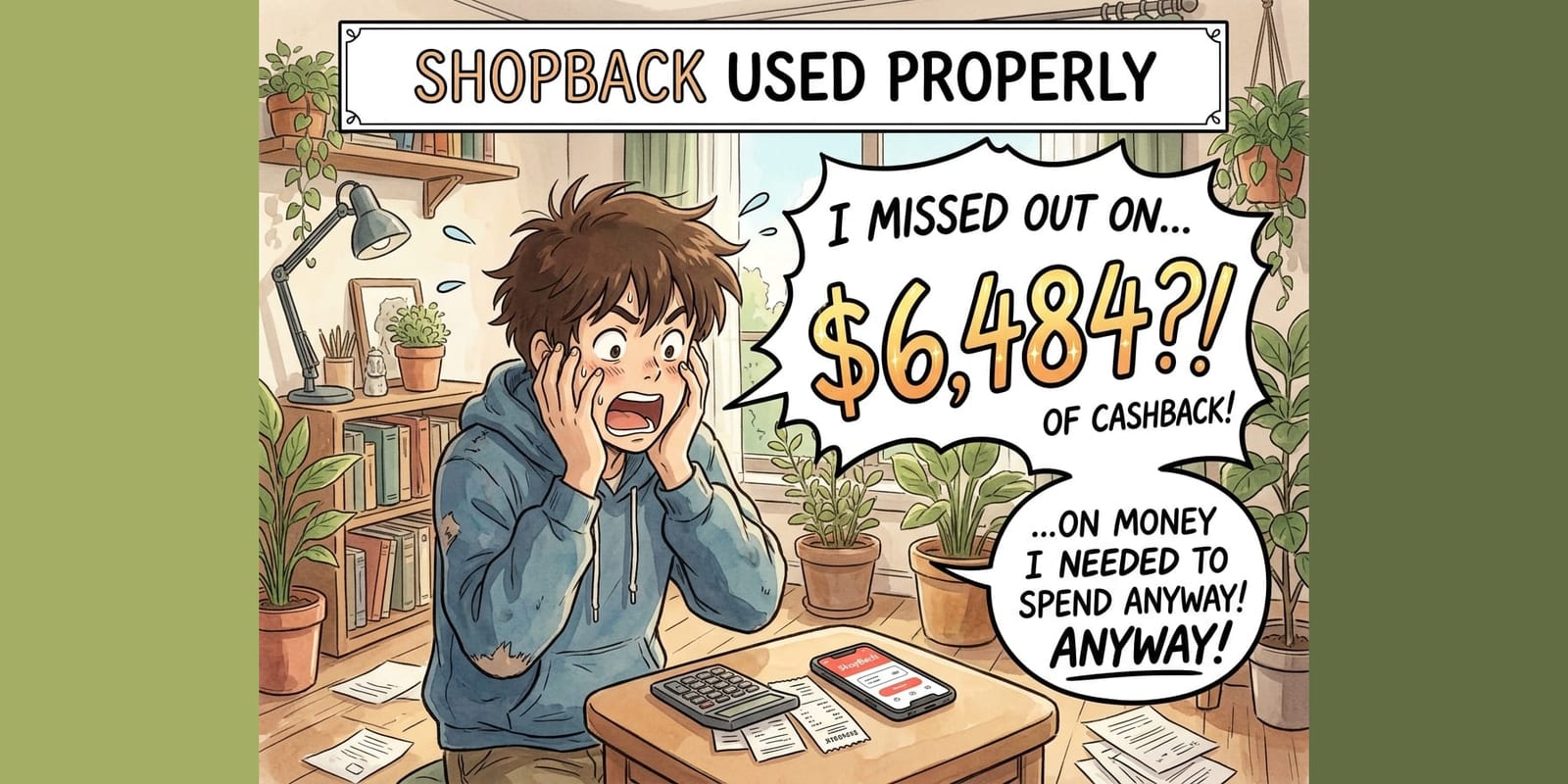
ShopBack, Used Properly: S$6,484 of Cashback for Spending We Would Have Done Anyway

ShopBack, Used Properly: S$6,484 of Cashback for Spending We Would Have Done Anyway

Our ShopBack account has returned S$6,484.09 over its lifetime — S$4,541.03 of it already withdrawn to the bank — for buying the same hotels, insurance and groceries we would have bought anyway. The entire system is one habit: start the purchase at ShopBack, then buy. Here is how we run it — the browser extension, the big-ticket bookings, the upsized-day calendar — and the one rule that stops a cashback app from quietly becoming a spending machine.

Is There Really a Glut of Unsold New Homes? Yes — In a Handful of Districts.

Is There Really a Glut of Unsold New Homes? Yes — In a Handful of Districts.

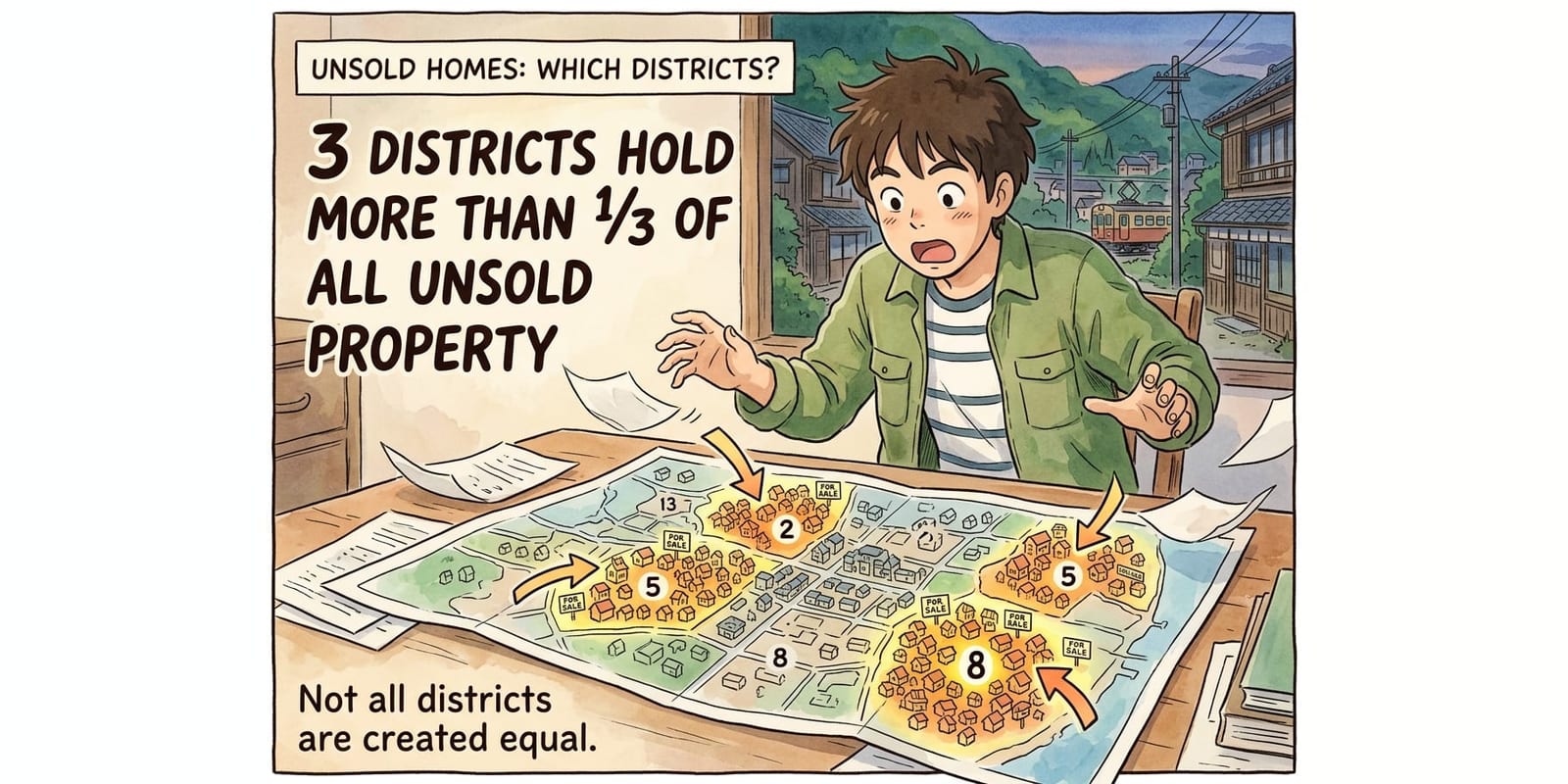
Singapore has around 34,000 unsold new private homes — developers’ stock, not resale. The figure is official, it is in every property headline this year, and it sounds like a warning about whatever you are viewing this weekend. It is also a national figure, and nobody buys the nation. We added up where the unsold stock actually sits, district by district — and it is nowhere near evenly spread. Three districts hold more than a third of it. Five have no active launch at all.

Does a Cheaper District Pay More Rent? No. Smaller Flats Do.

Does a Cheaper District Pay More Rent? No. Smaller Flats Do.

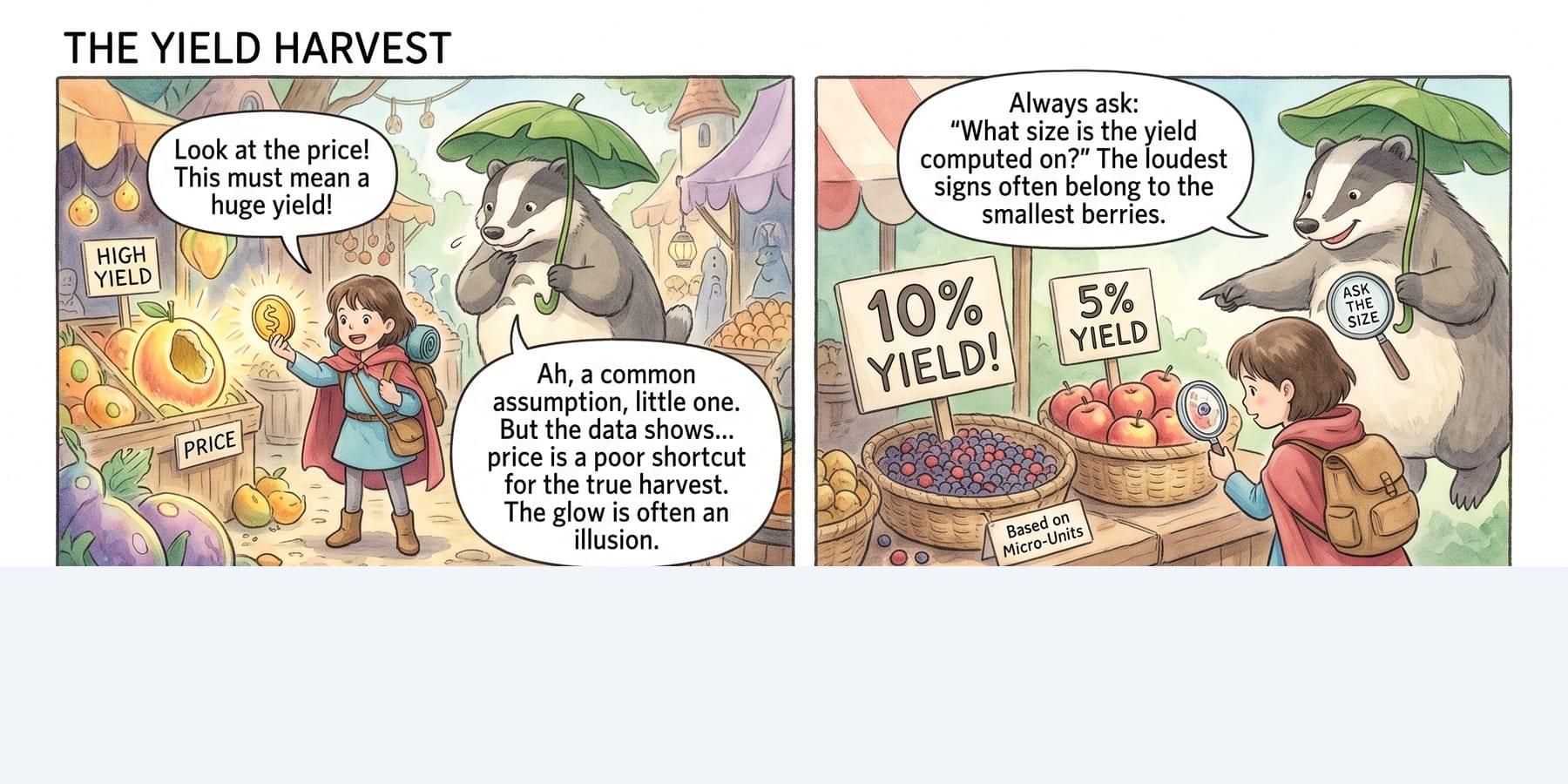
Everyone repeats the same rule: the suburbs pay you rent, the prime districts pay you prestige. We checked it across 26 of Singapore's 28 private districts and the relationship is not there — price and yield barely move together. What does move with yield is the size of the flats. The highest-yielding district in Singapore is in the city centre, and it is full of small apartments.

New Launch or Resale? Whoever Picked the Dates Picked the Winner

New Launch or Resale? Whoever Picked the Dates Picked the Winner

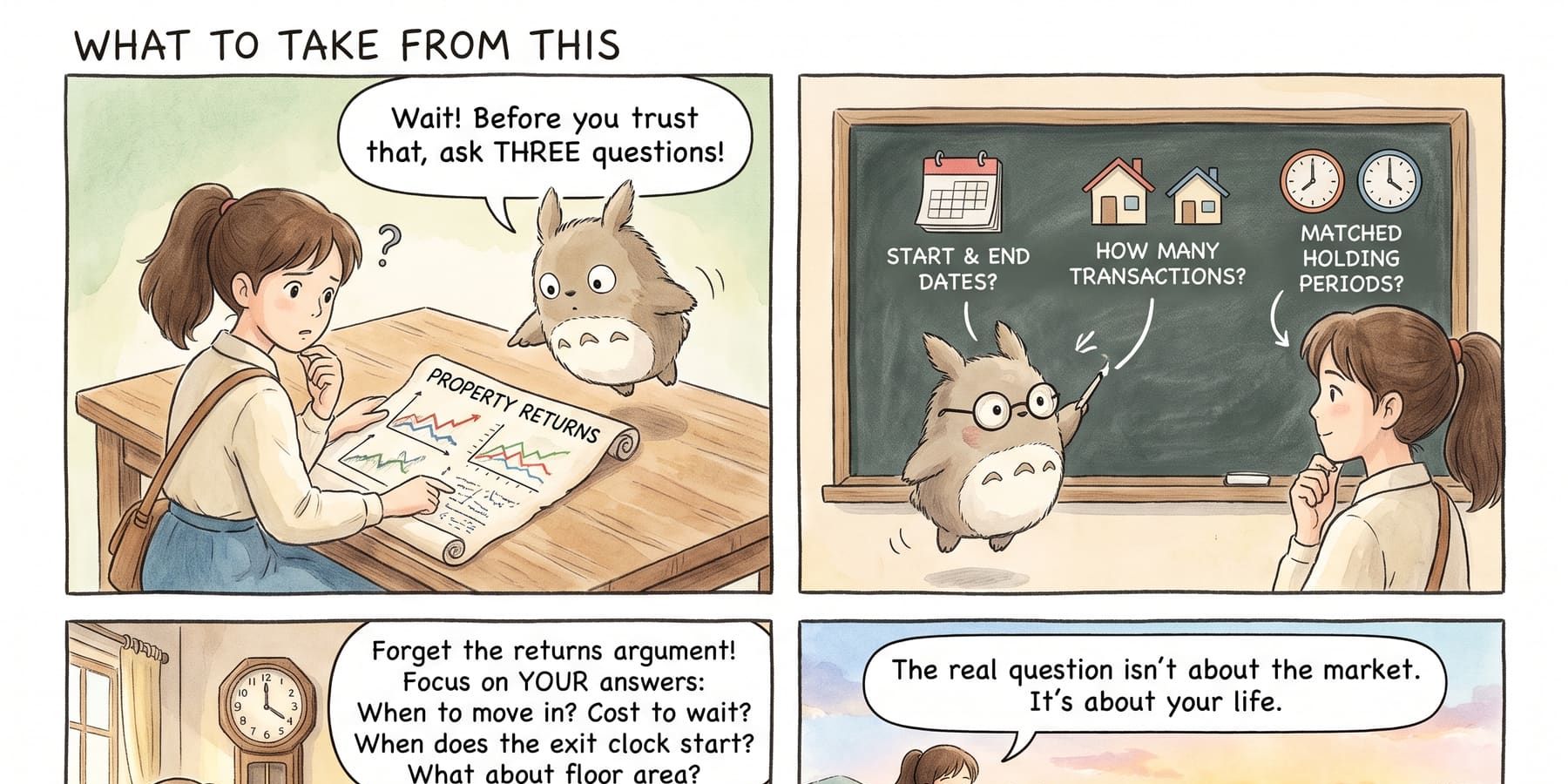
Half the property internet says good resale beats a new launch. The other half says new launches are the sure win. Both can point at real transaction data from the same source, and neither is making anything up — the answer reverses depending on where you start counting. Put both sides on the same basis and the whole advantage comes to about S$3,800 on a S$1.5 million home, against a S$44,600 stamp duty bill. Here is what is actually worth comparing instead.

Leveraged ETFs Sometimes Work. Can You Survive the Ride?

Leveraged ETFs Sometimes Work. Can You Survive the Ride?

Korean retail investors put billions into 2× Samsung and SK Hynix funds this June. Five weeks later, S$10,000 in that fund was worth S$1,351 — while the stock itself had merely halved. Yet on other markets the same structure made fortunes. What separates the two is not the product. It is whether you can sit through the path.

Do Singapore Investors Pay US Estate Tax on US Shares?

Do Singapore Investors Pay US Estate Tax on US Shares?

Singapore abolished estate duty in 2008, but US shares and US-domiciled funds above US$60,000 remain exposed to US estate tax of up to 40% — even in a Singapore brokerage account. An interactive look at how the rule works, and what changes it.

Get the insights that matter to your money.

Weekly, practical, Singapore-aware — no hype, no get-rich-quick language.

Join 18,000+ readers

Get weekly insights on investing, money, and living intentionally in Singapore.

Disclosure

TheEnoughPoint.com is an independent publisher. We may receive compensation when you click on links to our partners. This does not influence our editorial opinions — thank you for your support.